iPhone Duo: The Best Screen Might Be the One You Always Have
More room to see, more possibilities for AI—and something we’re looking forward to.
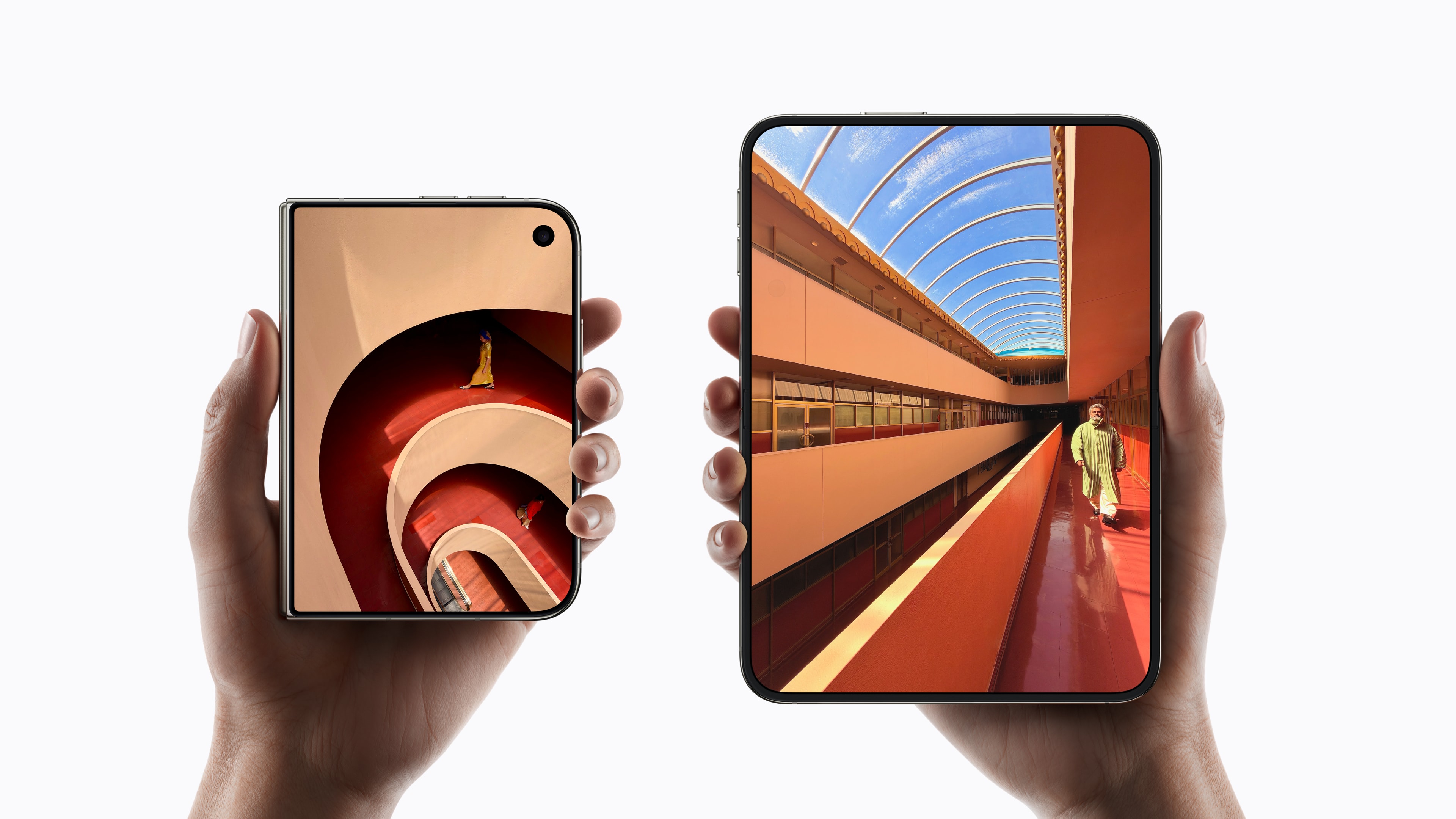
We should get something out of the way: we at Loki’s Lab haven’t used foldable phones. Honestly, we’re not even particularly big fans of phones.
We are, however, big fans of screens—and what they tell us.
A screen gives us a place to read, watch, compare, explore, and understand. Sometimes a little more room makes the difference between glancing at something and actually spending time with it. That’s what interests us about Apple’s newly announced iPhone Duo.
What Apple announced
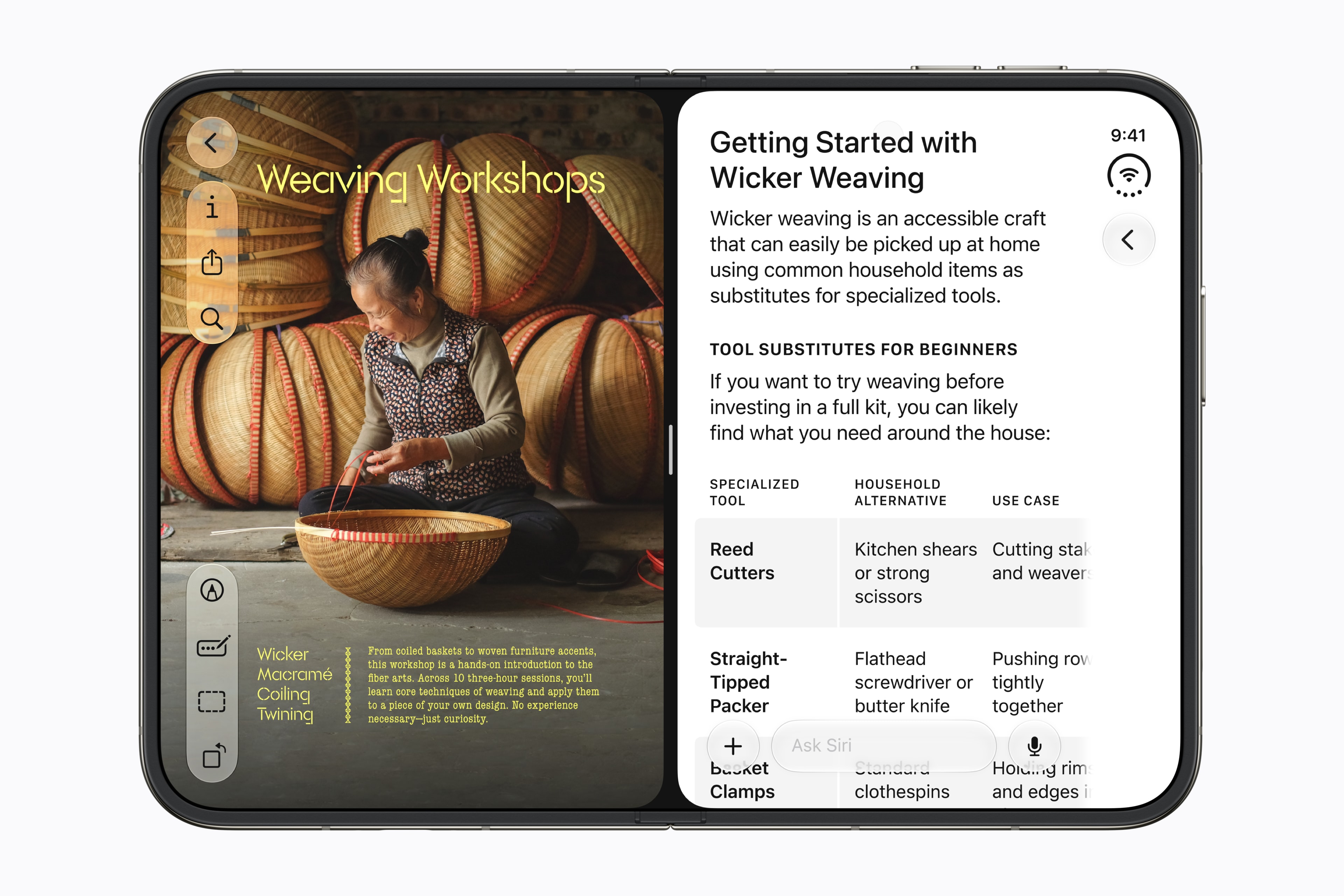
The Duo is Apple’s first foldable iPhone, with a 5.4-inch outer display and a 7.6-inch inner display. It runs on A20 Pro, supports two apps side by side in Split View, and includes 48MP main and ultra-wide rear cameras. USB-C Apple Pencil support is scheduled for later this year.
Pricing starts at $1,999 for 256GB, in star white or night sky. Preorders begin October 16, with availability starting October 23. Apple’s announcement
The screen you actually bring
Laptops and iPads are wonderful until you have to decide whether to carry one.
There’s the bag, the weight, the space on the table, and the small negotiation with yourself: am I really going to use this enough to bring it? Sometimes the answer is yes. Sometimes the device stays home, and later you find yourself squinting at something you wish you could see properly.
A phone usually makes the trip without that conversation.
That’s the possibility that makes the Duo interesting to us: a larger screen that comes along as naturally as the phone already in your pocket. Something you can open when a photograph deserves a closer look, an article deserves your attention, or a map needs a little breathing room.
There’s a familiar saying that the best camera is the one you have with you. We’d make a similar argument about displays:
The best screen is the biggest one it’s comfortable to always have with you.
“Comfortable” is doing some work there. Comfortable to carry. Comfortable to hold. Comfortable to pull out for a few minutes without rearranging your surroundings.
And then there’s the intelligence behind it
Loki’s Lab readers know the appeal of running AI on their own machines. We love the idea that hardware we already own can do more useful work for us—and that developers can build those capabilities into everyday apps.
We’ve been testing macOS 27 and iOS 27 and building apps with the new operating systems. So our interest here extends beyond the folding screen. We’re excited to see what expanded access to Apple’s Foundation Models lets us create for our users, and what other developers build with it.
Apple’s updated Foundation Models framework brings an improved on-device model, support for image-based and agentic experiences, and integration with local or server-based models. Apple has also announced access to its model on Private Cloud Compute without cloud API costs for qualifying developers with fewer than two million first annual App Store downloads. Apple’s framework updates, WWDC26 developer presentation
Those are different ways to run AI. Private Cloud Compute still involves a server; it isn’t a model running entirely in your pocket. We want to understand which tasks stay local, where a connection becomes necessary, and how well the resulting apps work.
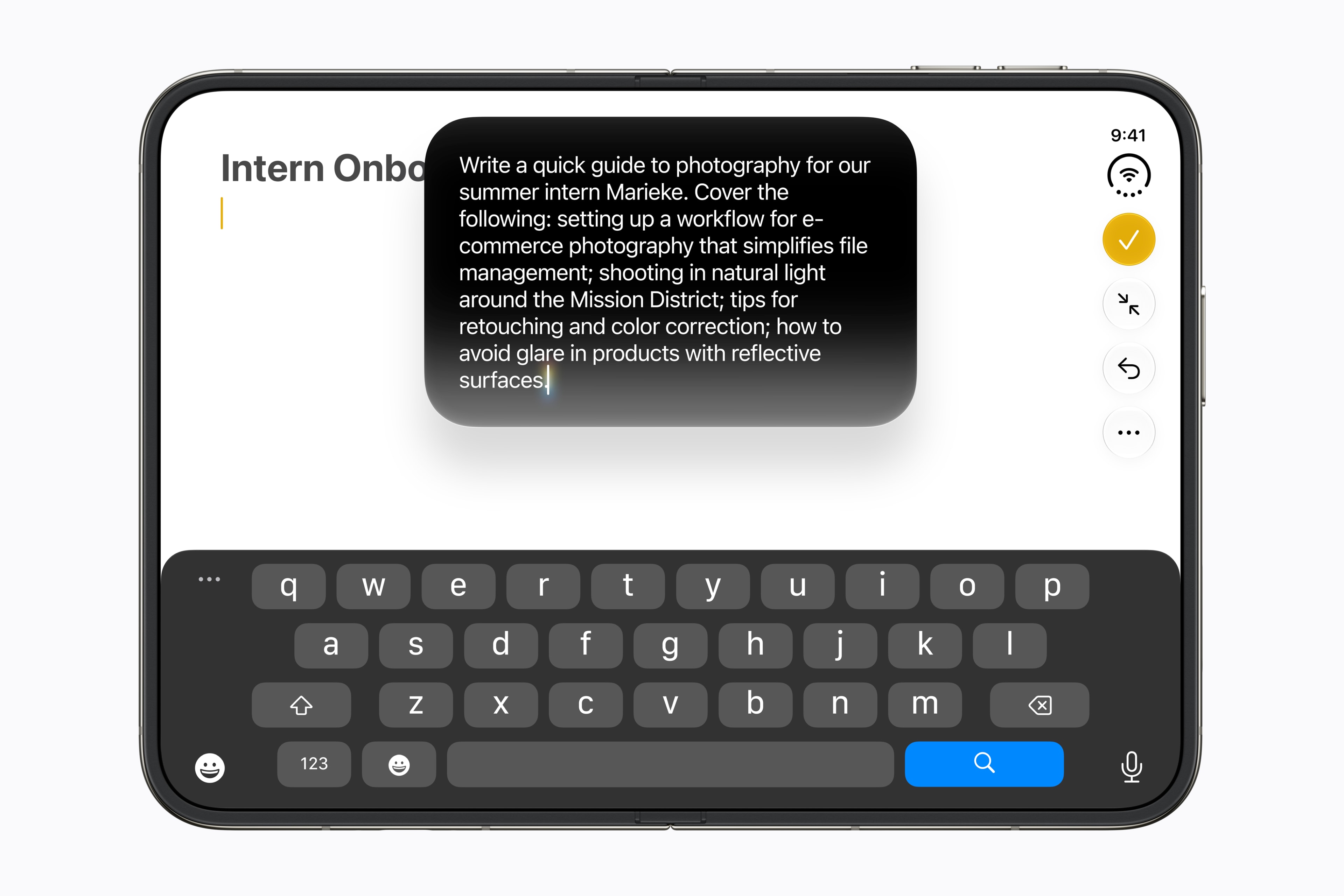
On the Duo, Apple says users can keep content open beside Siri AI. Apple Intelligence itself combines on-device processing with Private Cloud Compute. Apple’s Duo announcement
That makes the larger screen more interesting. We can imagine reading a document while asking questions about it, checking a suggested edit in context, or using an app whose intelligence feels like a natural part of the task. We’re looking forward to seeing how well those experiences perform in practice.
Curiosity, with room to unfold
We haven’t held the Duo, lived with the fold, or discovered whether opening it becomes second nature. We’re also not planning to make it a Loki’s Lab phone-testing project. This is enthusiasm for the concept, informed by our ongoing work with Apple’s software.
And $1,999 makes this a fairly expensive window. Being intrigued doesn’t mean we’ve decided to buy one.
Still, more room to see—and new ways to make that space useful—is a compelling combination.
Maybe the iPhone Duo can be that screen: big enough to enjoy, small enough to bring, with useful intelligence close at hand.
Is that something you’re looking forward to, too?

Jack Blair
Writer & tester
Jack Blair is an independent documentary filmmaker, storyteller, and lifelong technology obsessive. Through Happy Jack Media, he explores overlooked human stories and experiments with new ways to create and connect. He founded Loki's Lab as a community where curious people can test local AI models, share what they learn, and discover what today's technology can do on the computers they already own.
View author profile →